About Sunken Meadow
Sunken Meadow State Park is a 1,266-acre New York state park in Kings Park, on the North Shore of Long Island, facing Long Island Sound. Its official name is Governor Alfred E. Smith/Sunken Meadow State Park, and it is run by NYS Parks (the Office of Parks, Recreation and Historic Preservation) through its Long Island Region. In 2025 it drew 3,551,316 visits, the sixth-highest total of any New York state park.
The Park at a Glance
What the Park Is Today
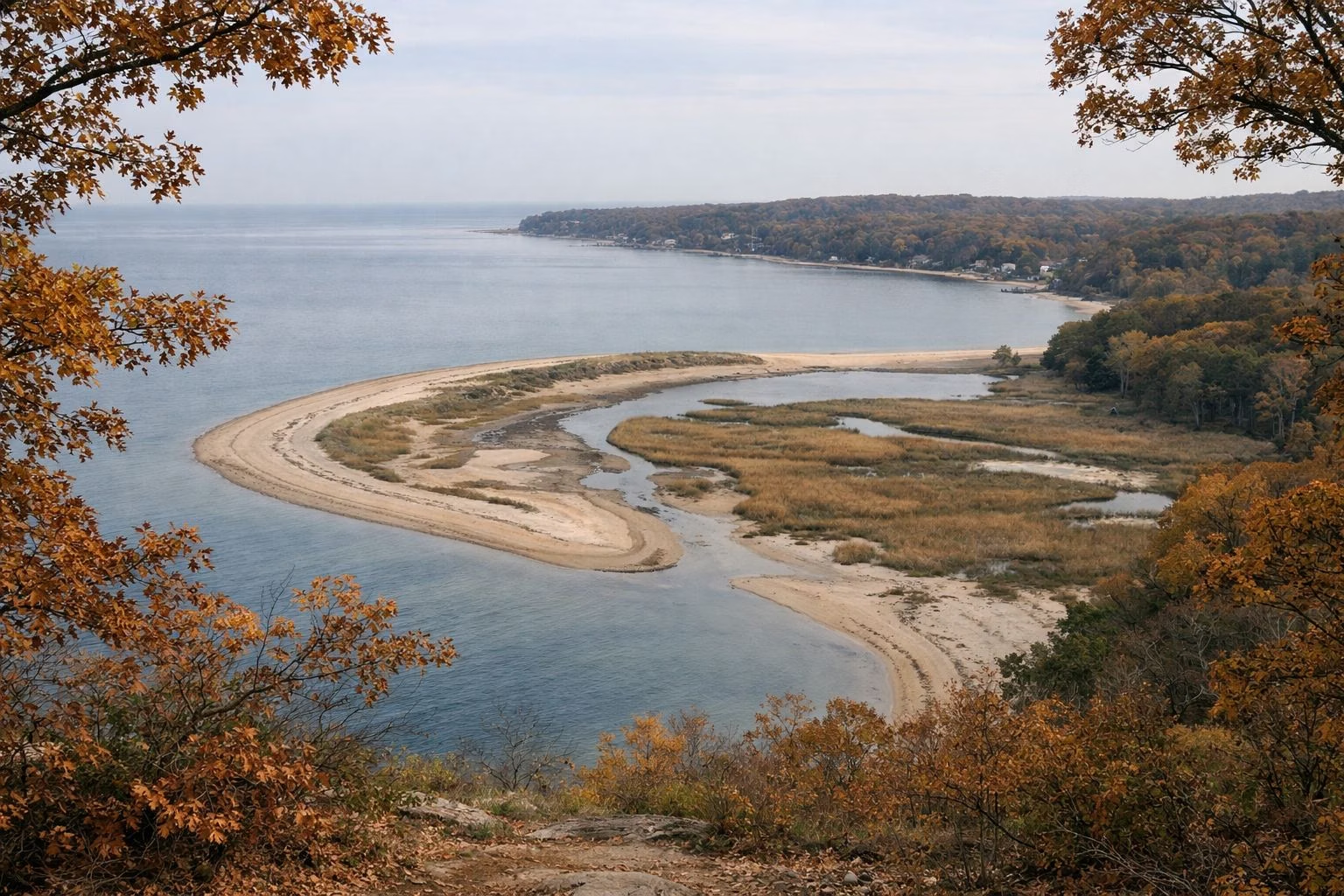
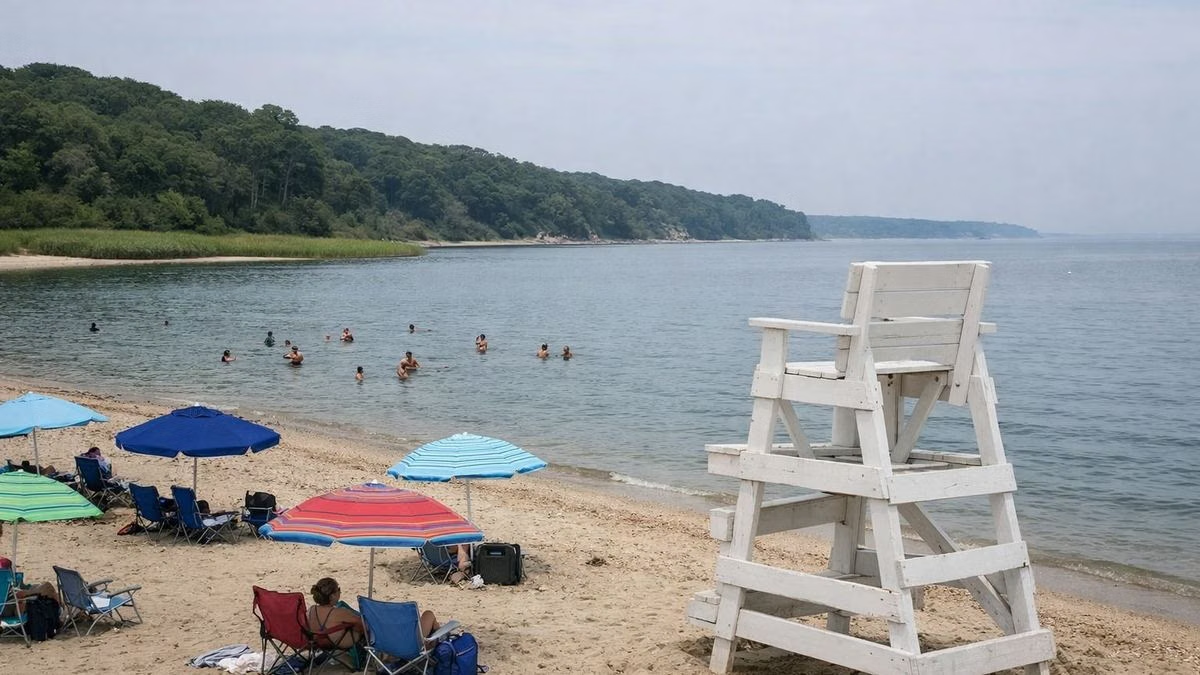
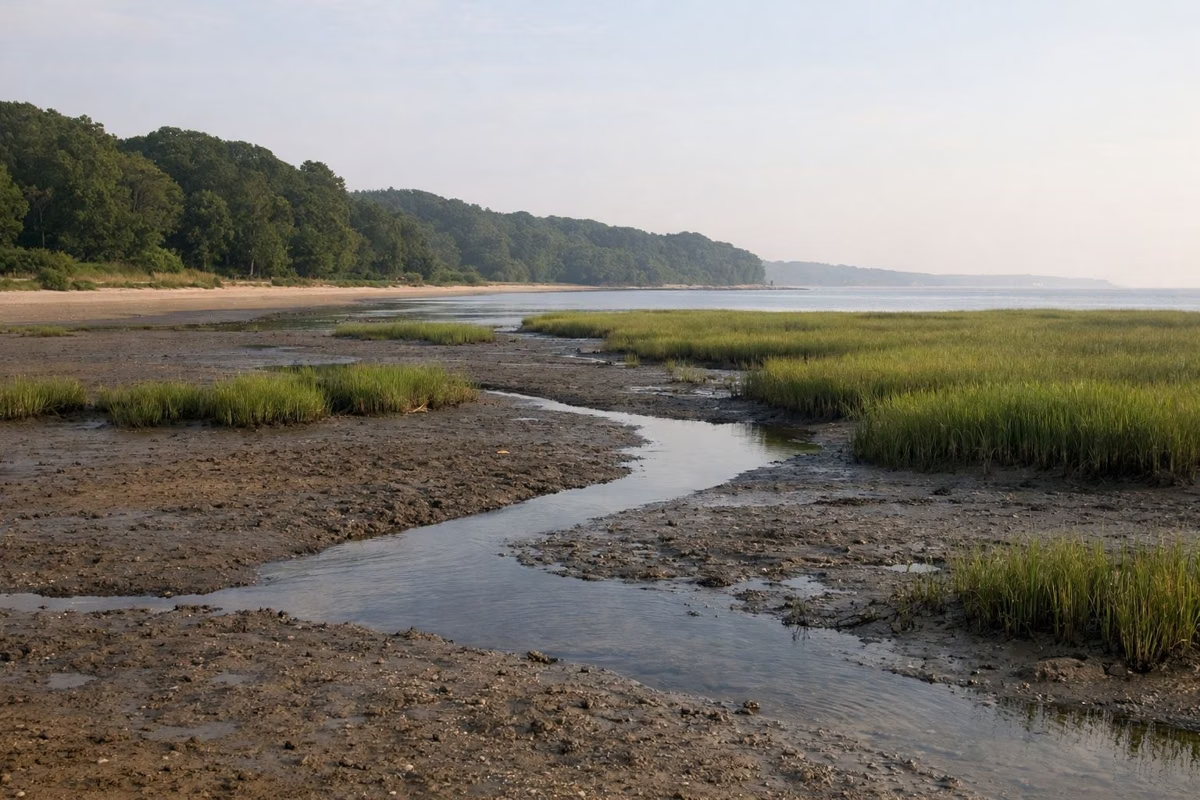
NYS Parks describes Sunken Meadow as one of the most popular picnic parks on Long Island, hosting millions of people each year for family and group outings. The park runs from a calm Sound beach and a three-quarter-mile boardwalk back into wooded hills. Three bridges cross Sunken Meadow Creek as it runs from the interior of the park to tidal flats at the mouth of the Nissequogue River. South of the flats, the agency says, are acres of undeveloped, heavily wooded rolling hills.
That mix explains the crowds. On one visit you can swim at the beach, play 27 holes of golf, walk the start of the Long Island Greenbelt Trail, launch a kayak at Field 3 or watch a high-school cross-country race on one of the hardest courses in the state.
The Name: Governor Alfred E. Smith
The park carries the name of Governor Alfred E. Smith alongside its older place name. You will see both on agency maps and signs: the trail map is headed "Governor Alfred E. Smith/Sunken Meadow State Park", and the golf course is listed by NYS Parks as the Sunken Meadow State Park Golf Course (Governor Alfred E. Smith). Locals and almost every search simply say Sunken Meadow.
Fort Slongo and the Raid of 1781
The oldest story here comes from the Revolution. NYS Parks explains that Long Island sat between British-occupied New York City and the patriot-held colonies to the north, and that the British built a chain of forts across it. Fort Slongo (sometimes spelled Salonga) stood on a rise overlooking Smithtown Bay, across the street from today's golf course, to watch for patriot raiders crossing the Sound from Connecticut. It was a square of about 50 feet with a palisade ditch and seven-foot walls.
On October 3, 1781, about 50 patriot infantry and 50 dismounted dragoons crossed the Sound at night, landed around 4 a.m. and surprised the Loyalist garrison at dawn. They killed two, captured 21 prisoners, burned the fort and carried the prisoners and the fort's artillery back across the Sound the same day. The only patriot wounded was Dragoon Sergeant Elijah Churchill, later awarded the Badge of Military Merit, one of three men George Washington personally honored with the forerunner of the Purple Heart.
The fort's earthworks survive, but NYS Parks notes they are on private property. There is nothing to visit inside the park.
The Golf Courses, 1962 and 1964
NYS Parks dates the three nine-hole golf courses to 1962 and 1964 (its pages differ on which came first). All were laid out by Alfred H. Tull (1897–1982), who also designed the Yellow Course and redesigned the Blue Course at Bethpage. NYS Parks says Tull routed his courses before he ever looked at a topographic map, which is why Sunken Meadow's holes follow the hilly, wooded ground so closely. Motorized carts arrived in 1997. Full details are on the golf page.
Habitats and Wildlife
The State Department of Environmental Conservation lists Sunken Meadow as a watchable-wildlife site. The salt marshes at the east end draw snowy and common egrets, black-crowned night herons and great blue herons. Piping plovers, least and common terns nest or feed nearby. Diamond-back terrapins and snapping turtles live in the creek, horseshoe crabs come into the marsh, and red foxes and white-tailed deer use the woodland trails. See hiking for where to look.
How Busy It Gets
The State Comptroller's 2026 report on state parks counted 3,551,316 visits to Sunken Meadow in 2025, up 673,835 since 2016. Only Niagara Reservation, Jones Beach, Gantry Plaza, Saratoga Springs and Robert Moses State Park drew more. Summer weekends fill the beach fields first. Arrive early, or come on a weekday, and read parking and hours and fees before you go.
Next Door
Sunken Meadow shares the mouth of the Nissequogue River with Nissequogue River State Park, built on the grounds of the former Kings Park Psychiatric Center. Caleb Smith State Park Preserve is further south on the same Greenbelt Trail.
About Sunken Meadow FAQ
What is the official name of Sunken Meadow State Park?
Governor Alfred E. Smith/Sunken Meadow State Park. NYS Parks uses both names; most people just say Sunken Meadow.
How big is Sunken Meadow State Park?
1,266 acres, according to the New York State Department of Environmental Conservation.
How many people visit Sunken Meadow?
3,551,316 visits in 2025, the sixth-highest of any New York state park, according to the State Comptroller.
Can you see Fort Slongo at Sunken Meadow?
No. The fort's earthworks survive on private property across the road from the golf course, not inside the park.